
Kirsty's Guide To......
'Protecting Your Back While Gardening'
Gardening is a fantastic way to stay active, improve wellbeing and enjoy the outdoors — but after a long winter, it’s common for the back, knees and joints to feel stiff or achy when returning to longer days in the garden.
This guide has been designed to help you enjoy gardening more comfortably and confidently this summer by combining practical physiotherapy advice with gentle exercises to help prepare your body for movement and activity.
Inside, you’ll find simple tips to help reduce strain on the back and joints while gardening, along with gentle low-impact exercises designed to improve movement, circulation and flexibility before or after spending time in the garden.
Remember — the goal isn’t to push through pain or complete a hard workout. Think of this as gently warming your body up, building confidence and helping your body move more comfortably throughout the gardening season.
I hope you find this guide helpful and that it allows you to enjoy gardening more comfortably throughout the summer months and beyond.
Wishing you happy gardening and healthier movement,
Kirsty Harris
Chartered Physiotherapist
5 Simple Tips To Protect Your Back While Gardening
1. Avoid Staying Bent Over For Too Long
Many gardening tasks involve prolonged bending, which places sustained pressure on the muscles and joints in the lower back.
The important thing to remember is that even healthy muscles don’t enjoy holding the same position for long periods of time.
If I asked you to sit in a squat position for 10 minutes or hold a heavy shopping bag out in front of you for several minutes, you’d probably start asking pretty quickly why your muscles were burning and aching.
Your back muscles are often asking the same question when you stay bent over weeding or planting for long periods.
After a less active winter, those muscles may not yet be used to the prolonged effort that gardening often involves.
This doesn’t automatically mean damage — it’s often simply a sign that the body needs time to build tolerance again.
2. Break Gardening Jobs Into Shorter Sessions
One of the biggest mistakes people make is suddenly doing 4–5 hours of gardening after being less active over winter.
Your body often tolerates shorter, more regular sessions much better than one huge “weekend gardening marathon.”
Think of it like exercise at the gym — most people wouldn’t go from doing nothing to running a marathon in one day.
Your back and joints also need time to build tolerance again.
Little and often usually works much better than trying to finish the entire garden in one afternoon.
3. Use Kneeling Pads, Stools Or Raised Planters
Simple equipment can significantly reduce strain on both the knees and lower back.
Kneeling pads help reduce pressure through sore knees, while low stools or raised planters can reduce the amount of bending required.
It’s a bit like adjusting your chair properly when working at a desk or sitting in a car — small changes in positioning can make a surprisingly big difference to how your body feels afterwards.
4. Change Tasks Regularly
The body generally copes better with movement variety than repetition.
Spending two hours digging continuously places stress on the same muscles and joints over and over again.
Instead, try rotating between jobs such as digging, watering, pruning, sweeping and planting.
Giving one area of the body a short break while another takes over can help reduce irritation building up throughout the day.
5. Don’t Ignore Early Aches And Stiffness
A mild ache after gardening is common and doesn’t automatically mean damage. Often it’s simply the body saying, “That was a bit more than I’m used to.”
However, if pain is worsening, lingering for several days, disturbing sleep, or affecting normal walking and movement, it may be a sign that your body needs a little extra help and guidance.
Early management is often much easier than waiting until pain becomes more severe or persistent.
Gardening should be something you enjoy — not something you pay for afterwards.
A few small changes can often help you stay active, confident and comfortable throughout the summer months.
Gentle Exercises To Help You Garden More Comfortably
These gentle exercises are designed to help improve movement, flexibility and circulation before or after gardening, helping you move more comfortably and confidently throughout the summer months.
1
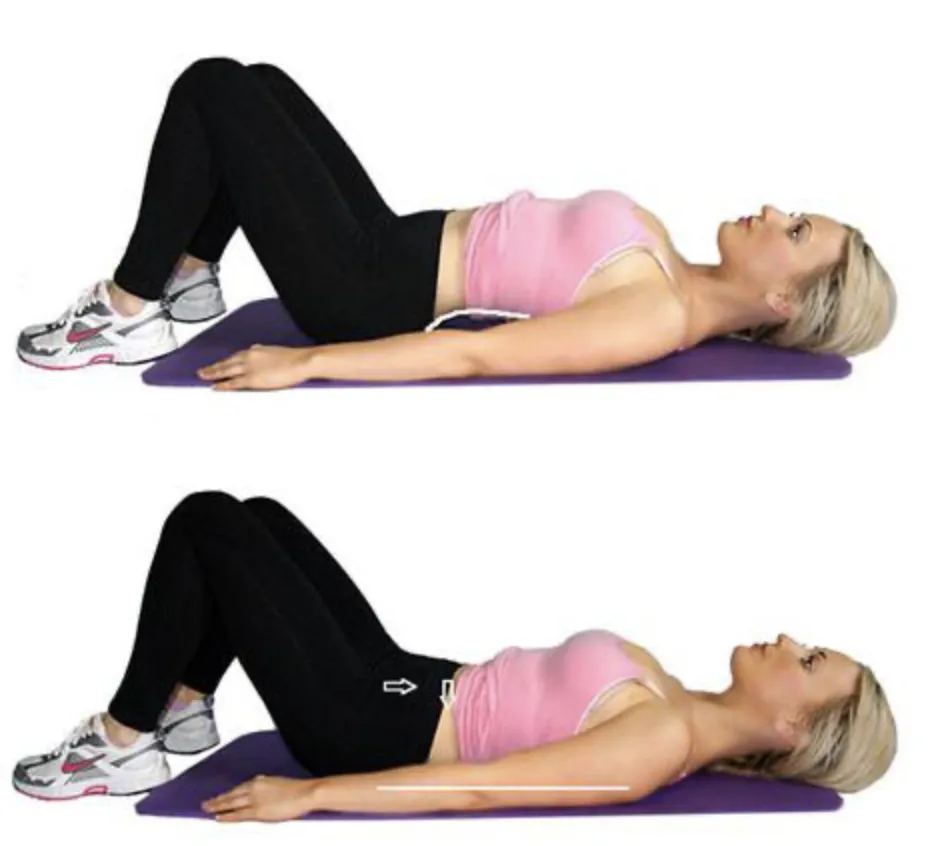
Pelvic Tilt | Pelvic Tuck Lying
Lie flat on your back, and engage your deep core muscles by drawing your belly button inwards (towards your spine slightly), while flattening your spine against the floor, then relax.
Repeat 5 times
2
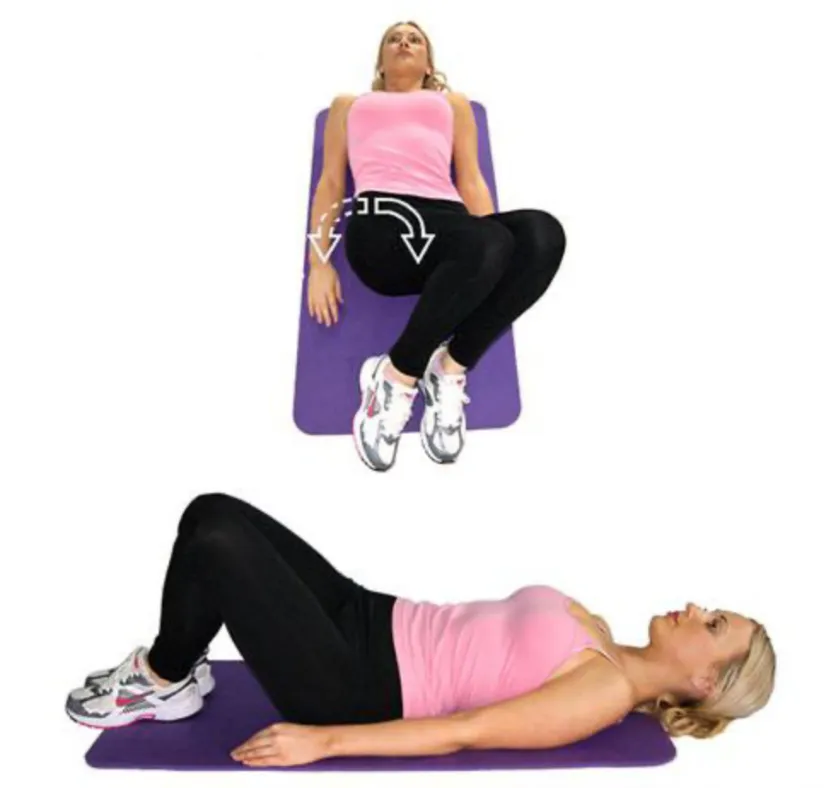
Lumbar Rotation
Lie on a bed or floor. Bend your knees and keeping your feet flat on the bed or floor, rotate your hips to one side creating a rotation through your lower back. Only go as far as feels comfortable, you do not need to get your knees to the floor. Return to the opposite side.
Repeat 5 times each way
3
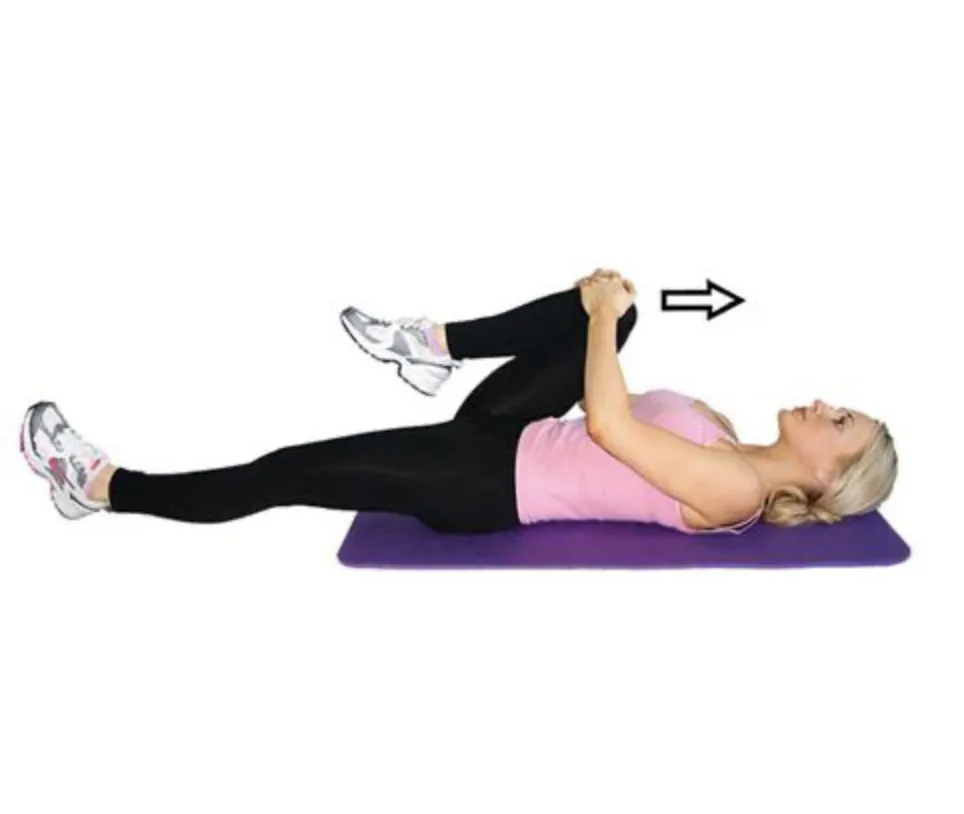
Single Leg Knee Hug / Back Stretch
Lie flat on your back, and bend your knee towards your chest. Hold this position and feel a gentle stretch in your back.
Hold for 10 seconds - then repeat on the other side..
4
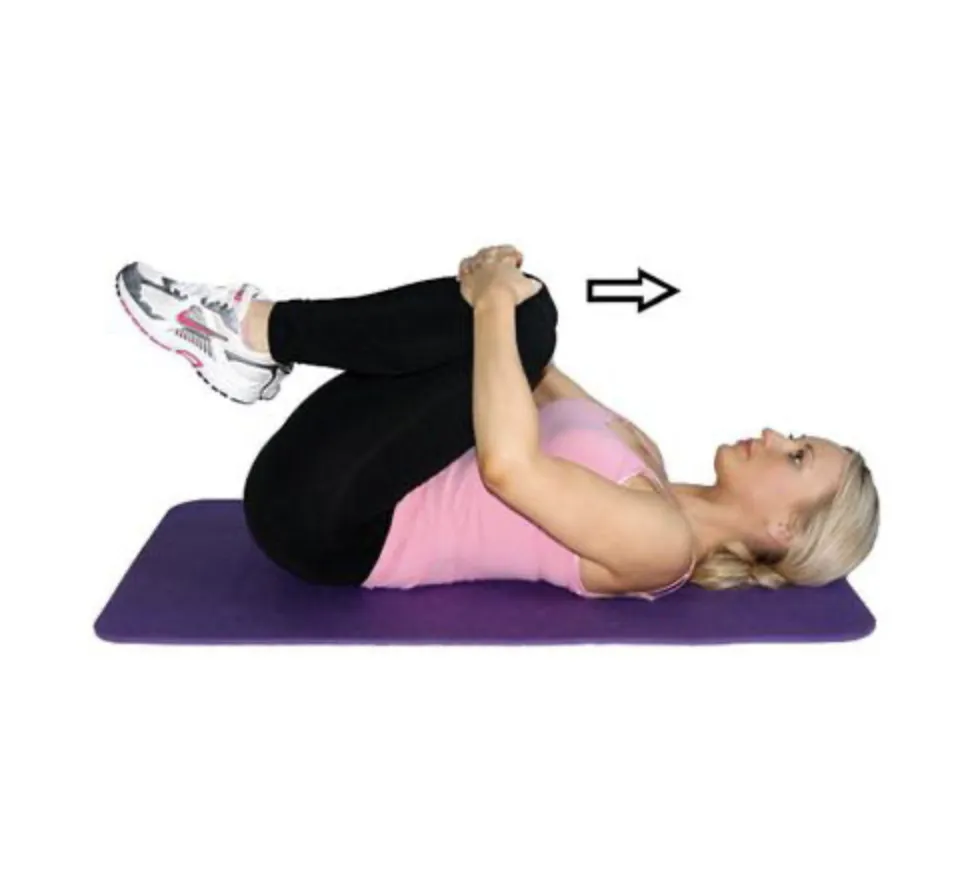
Double Leg Knee Hug / Back Stretch
Lie flat on your back, and bend your knees towards your chest. Hold this position and feel a gentle stretch in your back.
Hold for 10 seconds - relax then repeat.
5
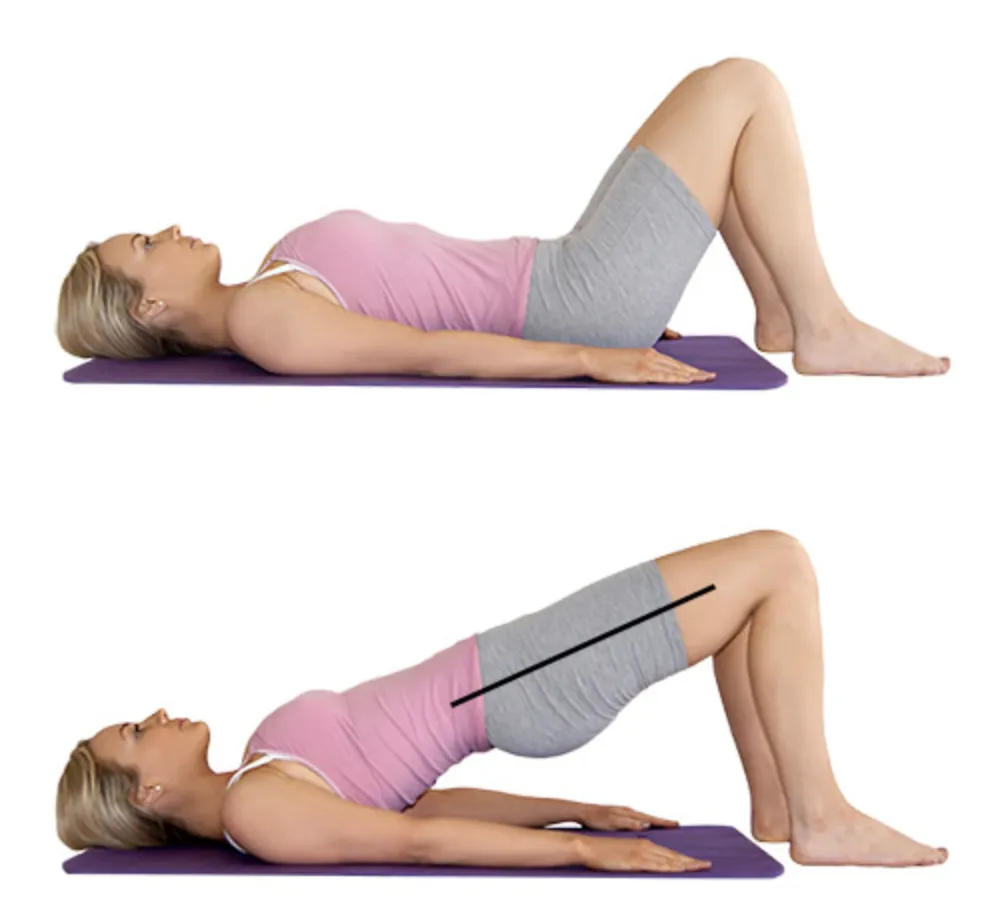
Shoulder Bridge / Spine Curls
Lie flat on your back on a bed or the floor, with your knees bent. Squeeze your bottom muscles and lift your hips upwards. Keep your arms by your side and use them to help you balance if needed. Don’t over-arch your lower back and squeeze your tummy muscles throughout the movement.
Hold for 5 seconds - relax then repeat 5 times.
6
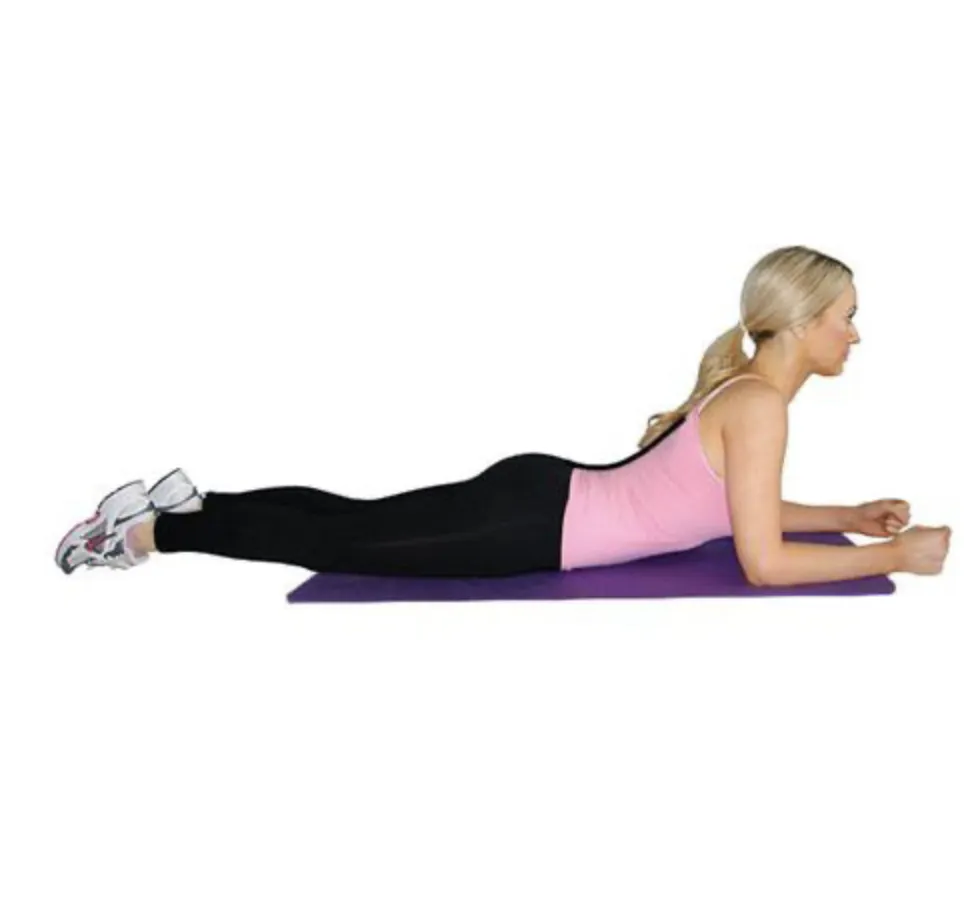
Back Extensions
Lie on your front, and rest on your forearms. Straighten your arms to a 90-degree position as shown. Hold this position. Your back will be arched. Start gently with this exercise as it can cause some stiffness when you first begin.
Hold for 5 seconds - relax then repeat 5 times.
7
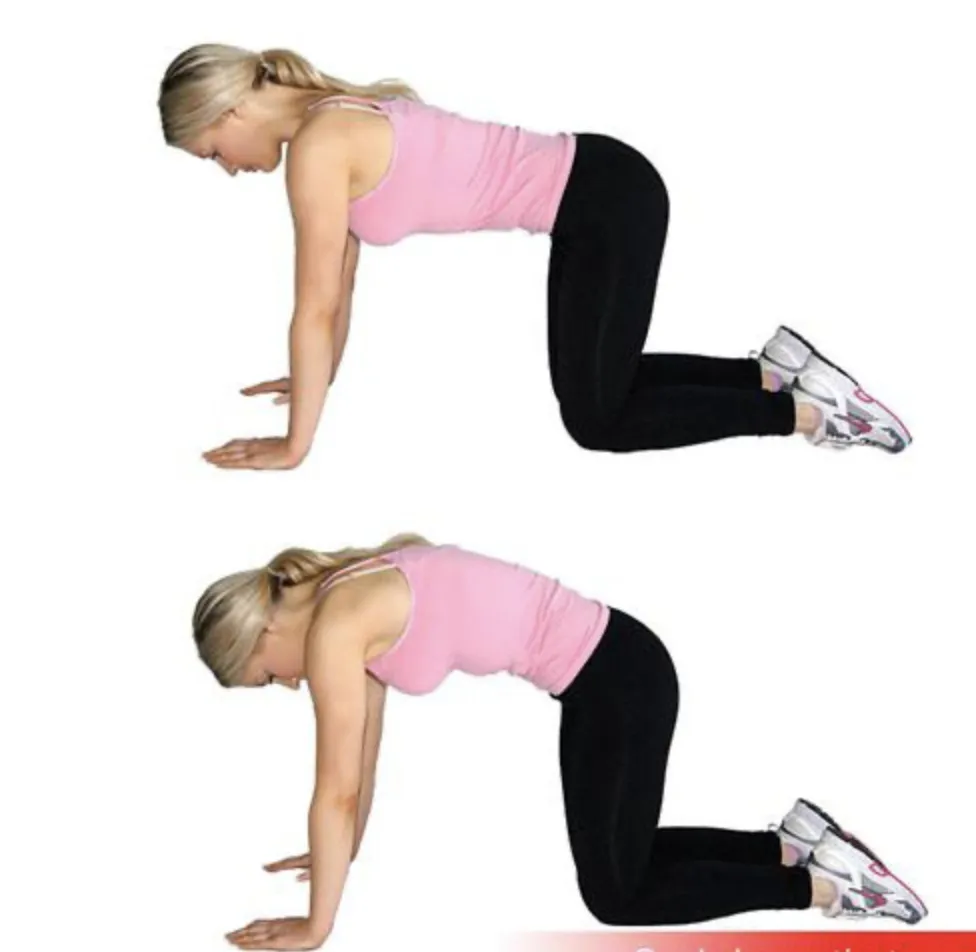
Cat / Cow Stretch
Start in a four-point position on your hands and knees. Round your back from an arched position as you pull in your abdominal muscles. It should feel like a gentle stretch to your lower back. Don't over-arch your back; keep it comfortable. After you have rounded your back, form an arch with your lower back.
Hold each position for 5 seconds - then repeat 5 times.
8
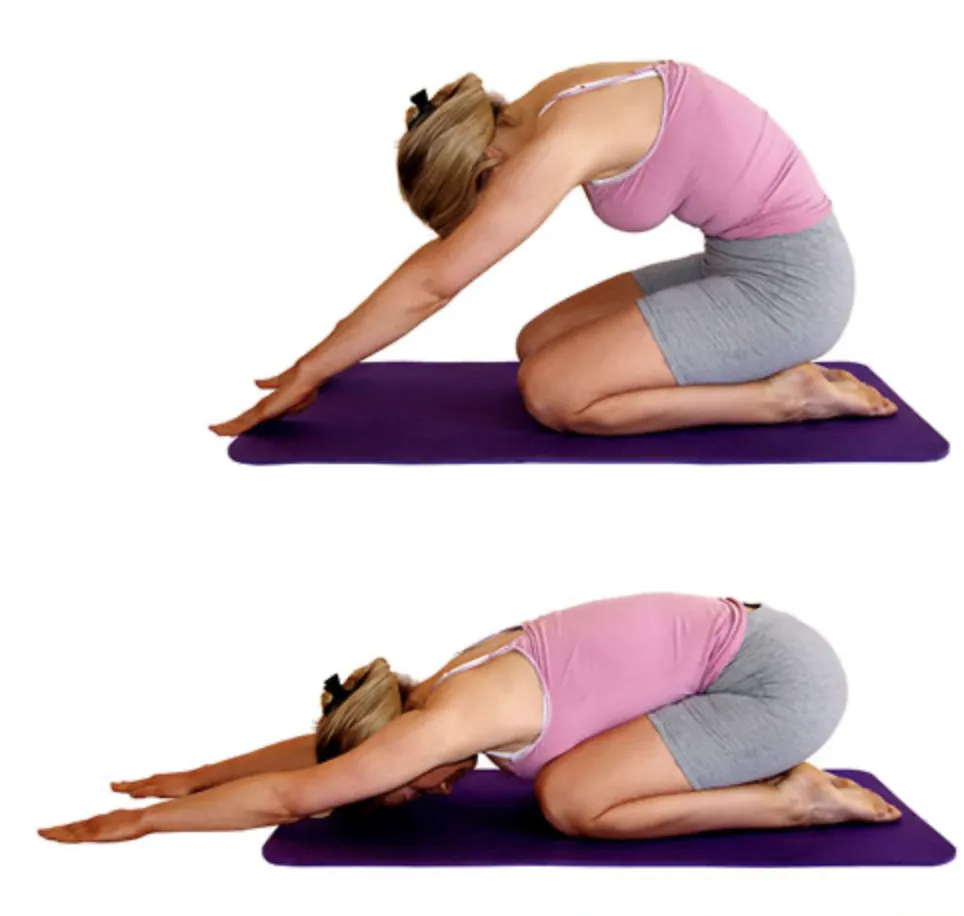
Child Pose
Kneel down on the mat, and rest your buttocks on your heels. As you keep your buttocks on your heels, roll forwards and slide your arms forward creating a gentle stretch and lengthening in your back.
Hold for 10 seconds - relax - then repeat 3 times.
9
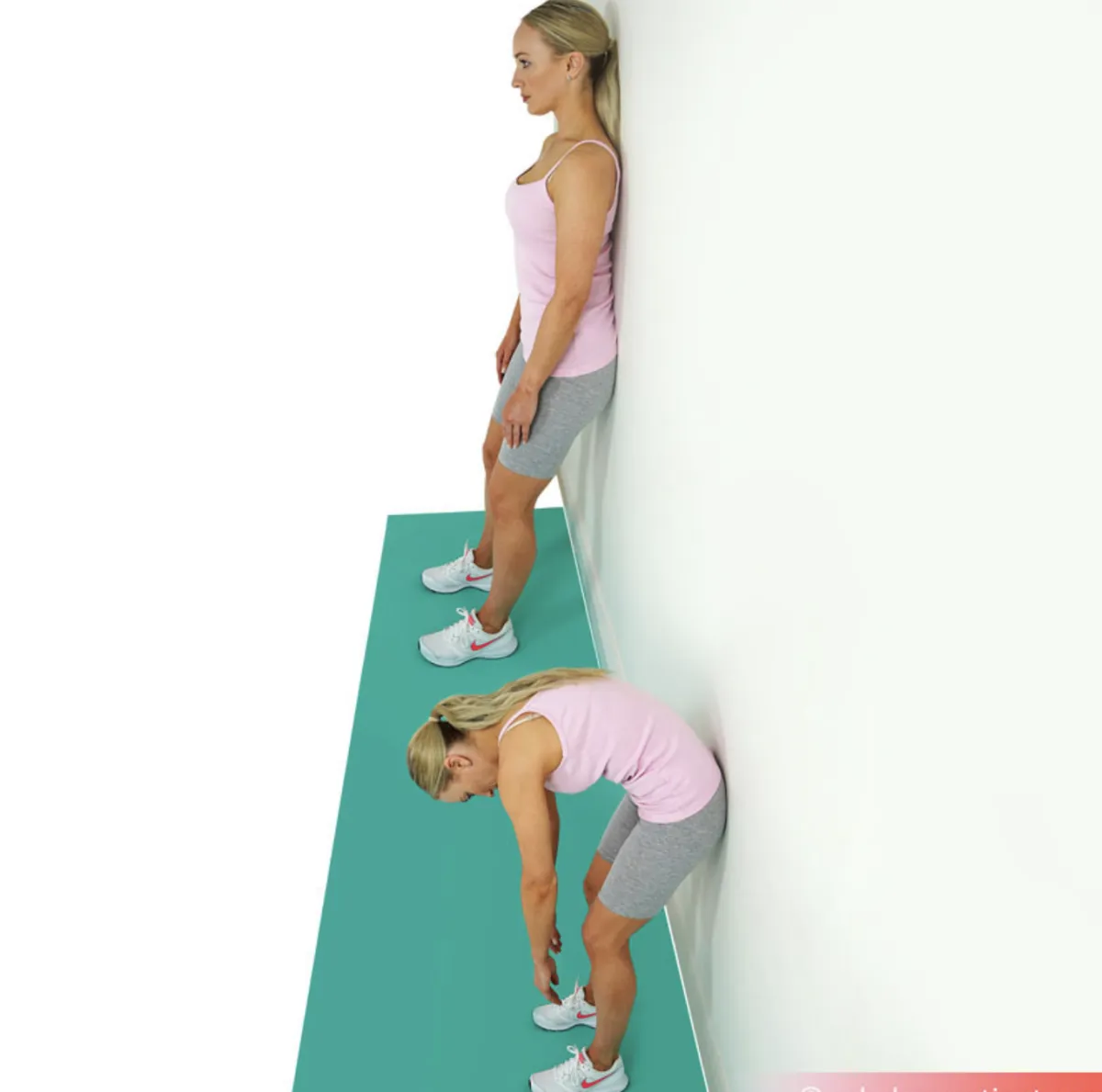
Spinal Roll Up & Down Wall
Stand slightly away from a wall with a gentle knee bend. Rest your back against the wall. Tuck your chin down as you roll down from you neck, upper back and lower back. Hold this position, and reverse the movement one vertebra at a time, and return to your start position.
Repeat 5 times.
10
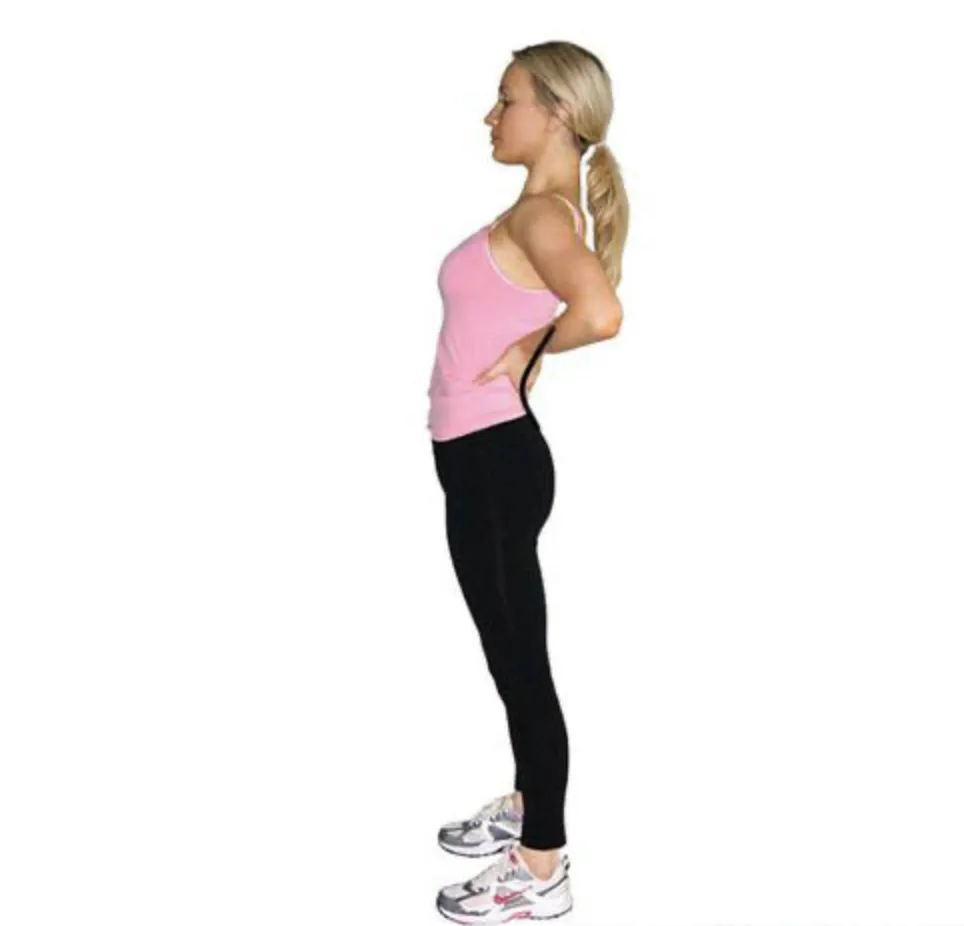
Standing Back Extension
Standing up with good posture, extend your back by arching your spine backwards. You can place your hands in the small of your back for support if you require. Start gently, and keep the exercise within your comfort zone.
Hold for 5 seconds - relax - then repeat 5 times.
11
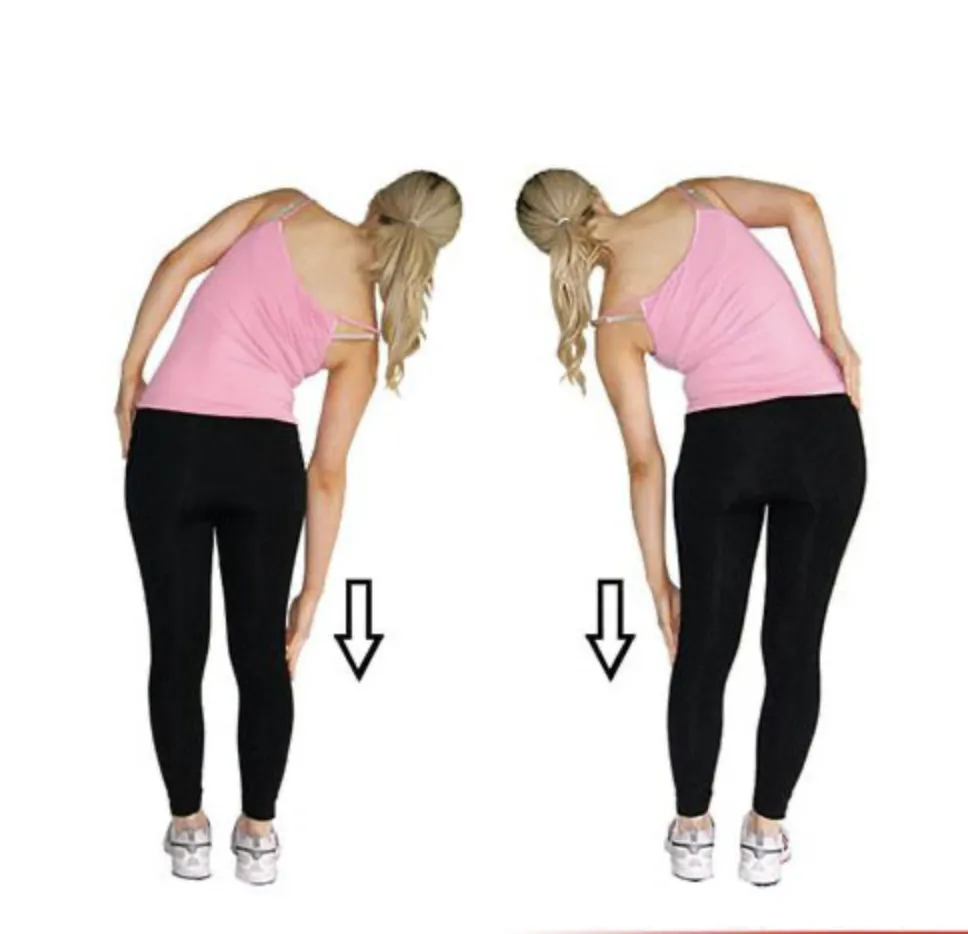
Side Flexions
Stand up straight, and bend to the side by running your hand down the outside of your leg. Keep the movement slow and fluid. Repeat to the opposite site.
Hold for 3 seconds then repeat on the other side.
Get Future Guides & Physiotherapy Advice
Join my free email list for practical physiotherapy advice, gentle exercises and future “Kirsty’s Guide To…” resources.
More 'Kirsty's Guides To'...... Coming Soon:
🦵 Managing Knee Stiffness
🚶 Walking More Comfortably
🪑 Desk Posture & Movement
I’ll occasionally send practical physiotherapy advice, wellbeing tips and future “Kirsty’s Guide To…” resources. You can unsubscribe at any time.

Location
Kirsty Harris Physiotherapy
23 The Row
Welford
RG20 8HR
what3words: ///quoted.itself.losing
Opening Hours
Monday - Friday 08:00 - 19:00
Free parking available

Page last reviewed: 09/05/2026
Written by: Kirsty Harris (HCPC Registered Physiotherapist)
Copyright © All Rights Reserved